
Finish every reel with precision.
Convert a wide parent reel into narrower reels ready for the next process. Material behaviour, finished diameters, slit widths and winding quality are central to selection.
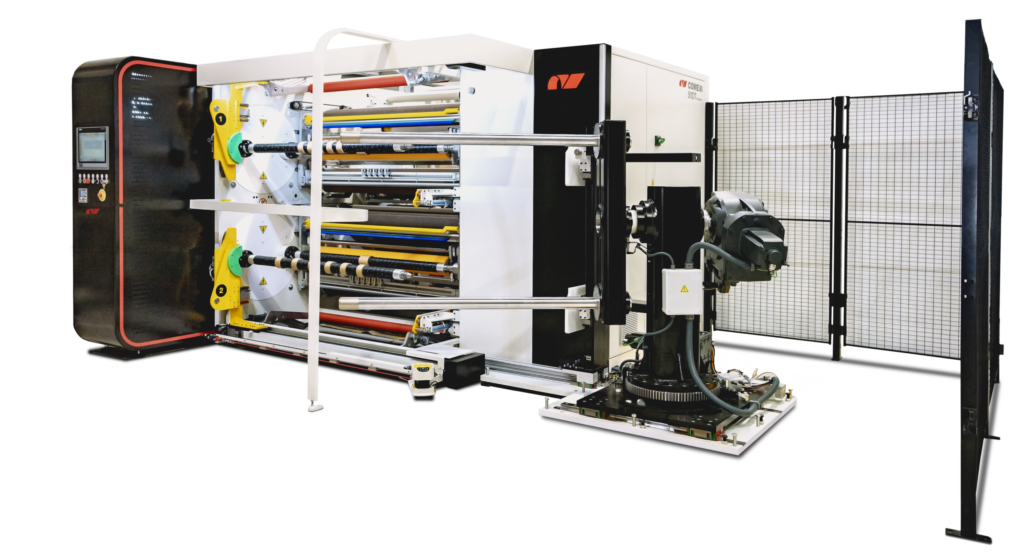
Winding quality
Discuss tension control, reel diameter, material sensitivity and consistent finished-roll quality.
Productivity
Turret and duplex configurations suit different workloads. Evaluate the full cycle, including unloading and changeover.
Workflow integration
Combine finishing with appropriate laser and reel-handling options when the application calls for them.
Relevant solutions
Explore this technology.
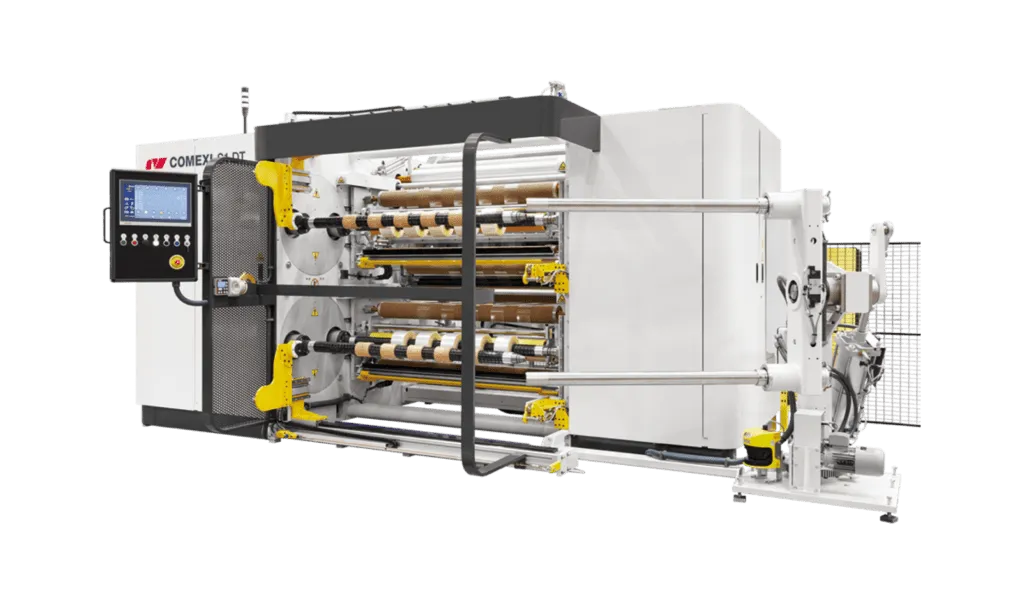
Slitting & rewinding
S1 DT
Turret slitting and rewinding with automation options for productive finishing.
Explore solution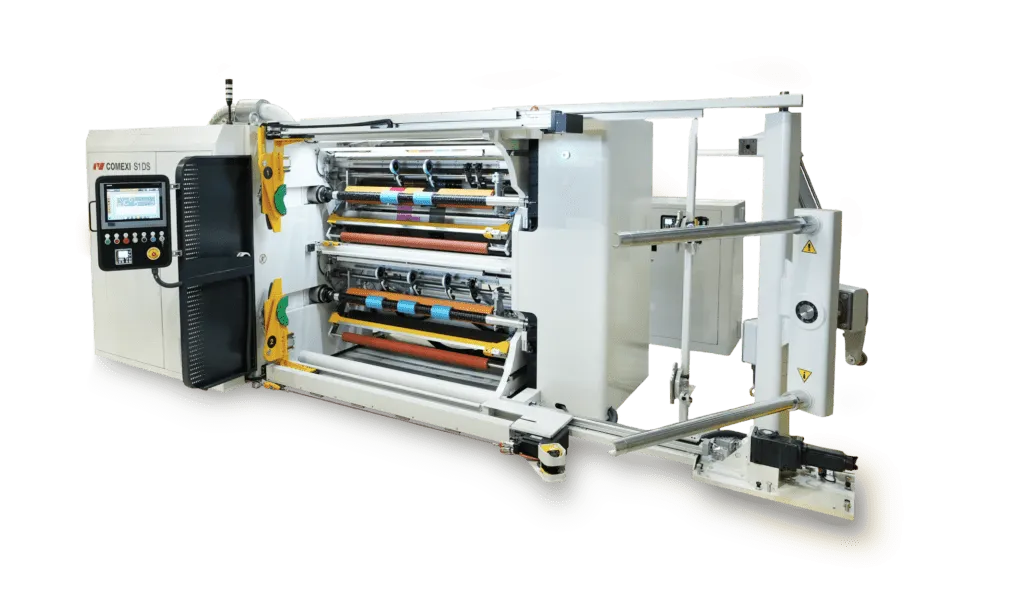
Slitting & rewinding
S1 DS
A duplex slitting platform for varied materials and finishing requirements.
Explore solution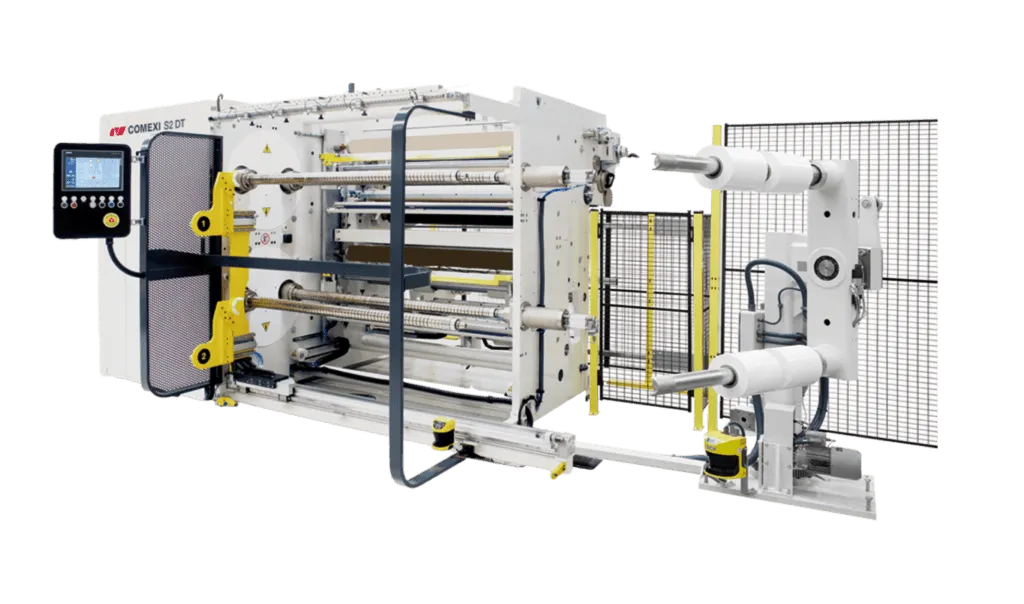
Slitting & rewinding
S2 DT
A compact double-turret slitting option for productive reel-change workflows.
Explore solution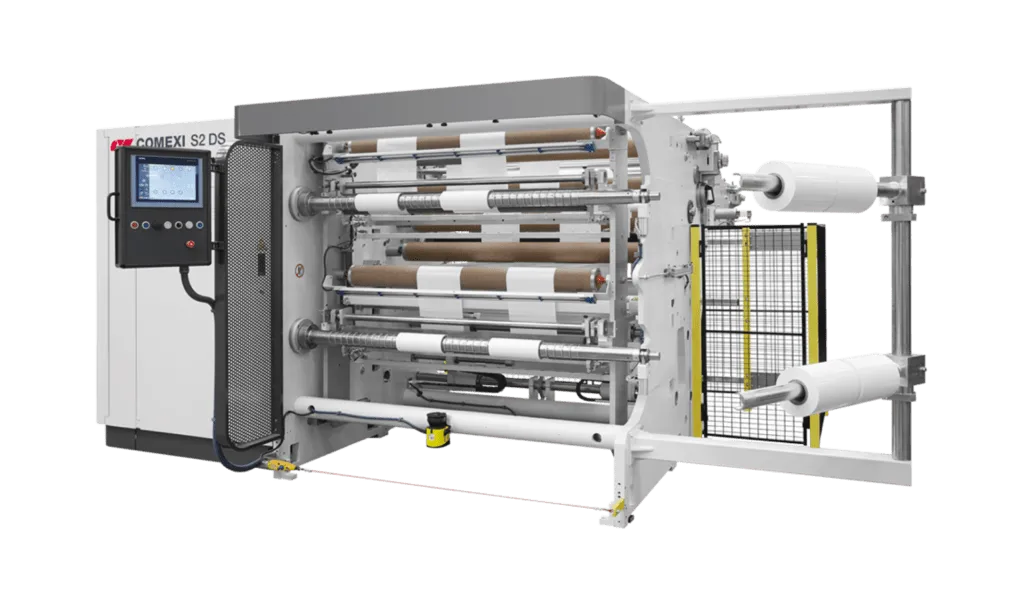
Slitting & rewinding
S2 DS
A slitting and rewinding option for flexible converting operations.
Explore solution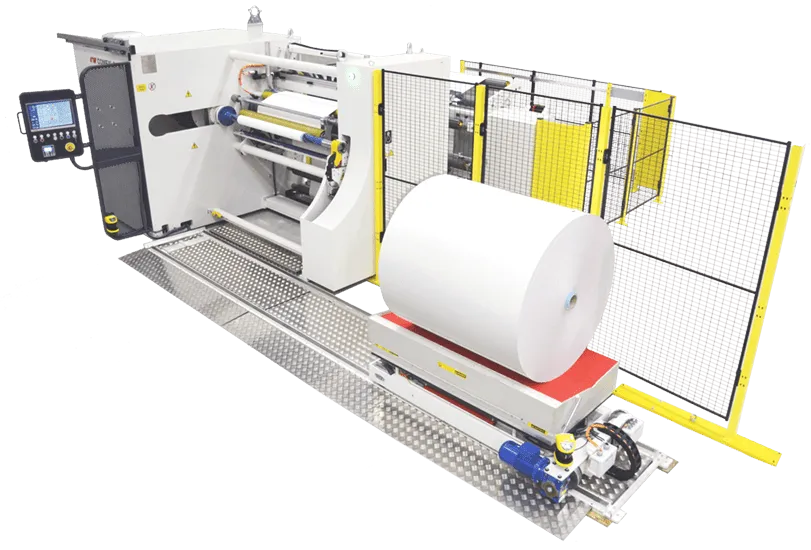
Slitting & rewinding
S1 MS / S1 MT
Finishing solutions for larger reels and application-specific productivity requirements.
Explore solution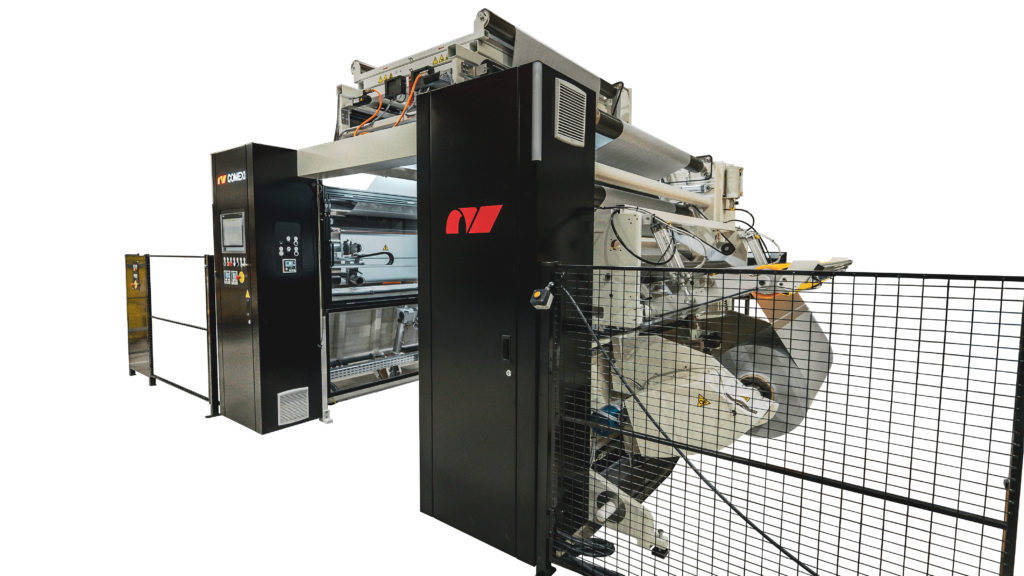
Slitting & rewinding
DM1
Reel doctoring and bidirectional rewinding before downstream production.
Explore solutionPrepare your project brief
Share the substrate, web width, production volume, existing equipment, target timing and the improvements you want to achieve.
Discuss your requirementUnderstand the process
Turn a parent reel into production-ready reels
Slitting divides a wide web into narrower lanes and rewinds them onto finished cores. The goal is not only the right width: clean edges, suitable reel hardness and stable unwinding at the customer’s next process also matter.
Unwind and control
Feed the parent reel through guiding and tension-control elements. Different zones can require different tension levels.
Cut into lanes
Choose a supported razor or shear-cutting arrangement around material stiffness, thickness and edge-quality requirements.
Rewind and unload
Build finished reels with appropriate tension and contact pressure, then unload and identify them for the next operation.
What we review with you
- Reel quality
- Wrinkles, telescoping and uneven winding can involve tension, alignment and incoming reel condition; inspect the full process.
- Material selection
- Film, paper, foil and laminates do not necessarily use the same knife setup. Validate the actual structure.
- Real productivity
- Include loading, knife setup, reel changes, unloading and packing in the cycle assessment, not just maximum running speed.
Process education adapted from Comexi training materials, not operating instructions or guaranteed model specifications. Confirm equipment and operating limits in the approved proposal.