
Comexi · Printing
F2 family: MB, MP & ML
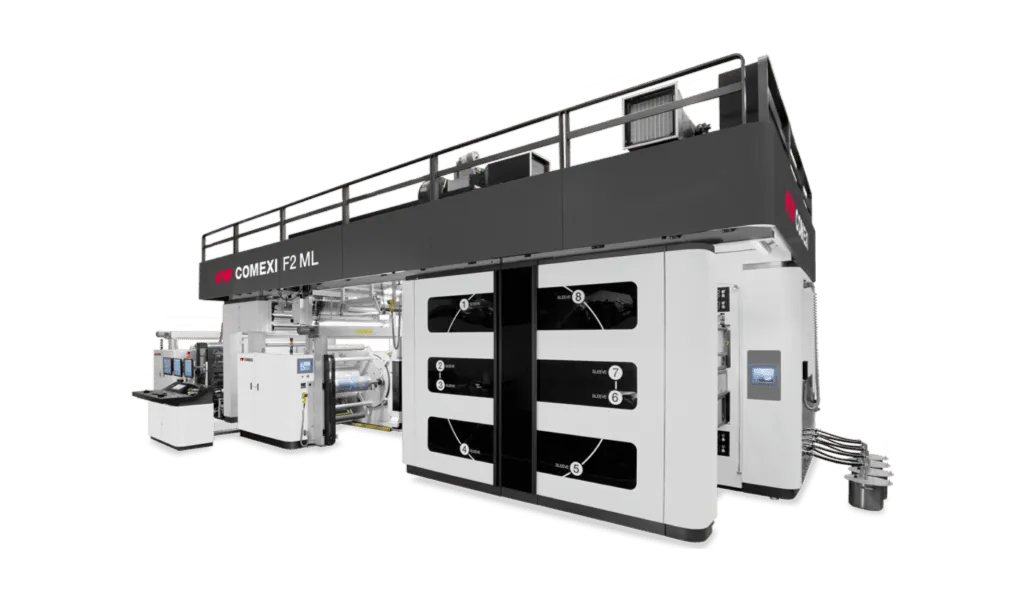
Compare MB for medium runs, MP for longer jobs and ML for larger repeats and demanding PE work. These are different configurations within a family, not interchangeable specifications. The overview image shows F2 ML.
Discuss this machinePublished model data
- MB / MP / ML speeds
- 400 / 500–600 / 400–500 m/min
- MB / MP / ML max. repeat
- 800 / 850 / 1160 mm
- ML colours
- 8 / 10
Source checked: 2 October 2026. Values describe specific versions and configurations, not guaranteed performance on every material. An asterisk identifies an option or configuration to confirm. Comexi source and specifications ↗
Machine and application details
Understand the process
How CI flexographic printing works
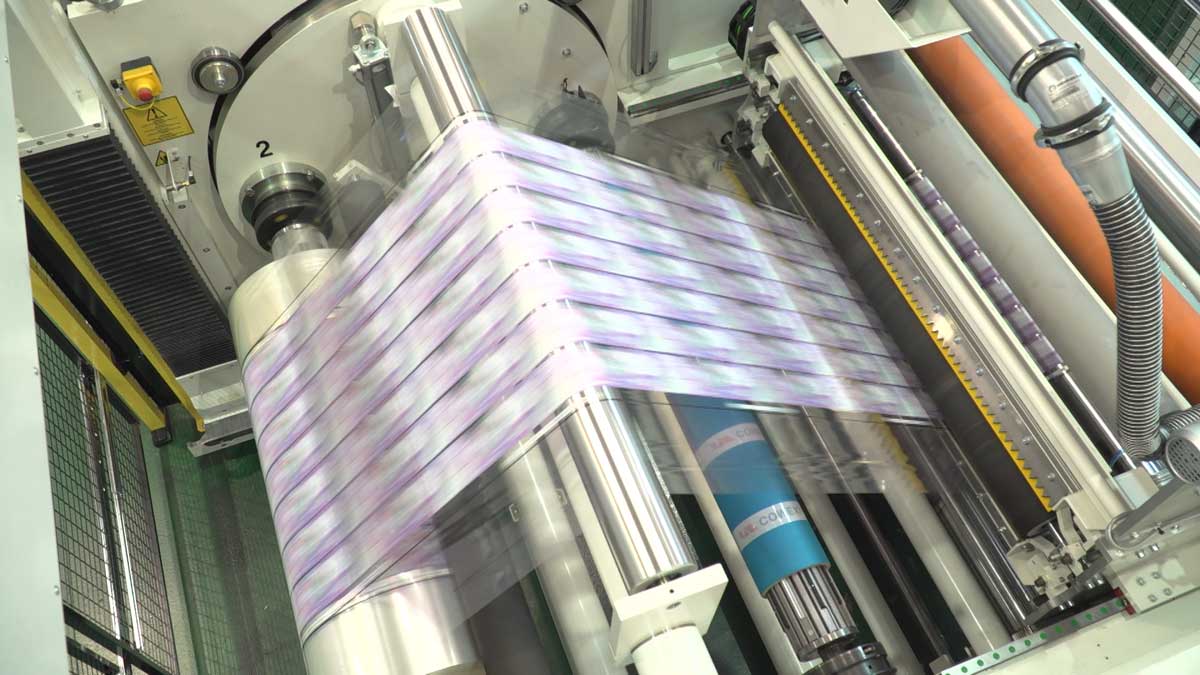
A flexible printing plate carries the artwork. An anilox roller meters ink onto the plate, which transfers the image to the moving film. The central impression drum supports the web as successive colours are printed.
Unwind and guide
The incoming reel is unwound and guided with controlled tension. Stable web transport supports consistent colour-to-colour register.
Meter and print
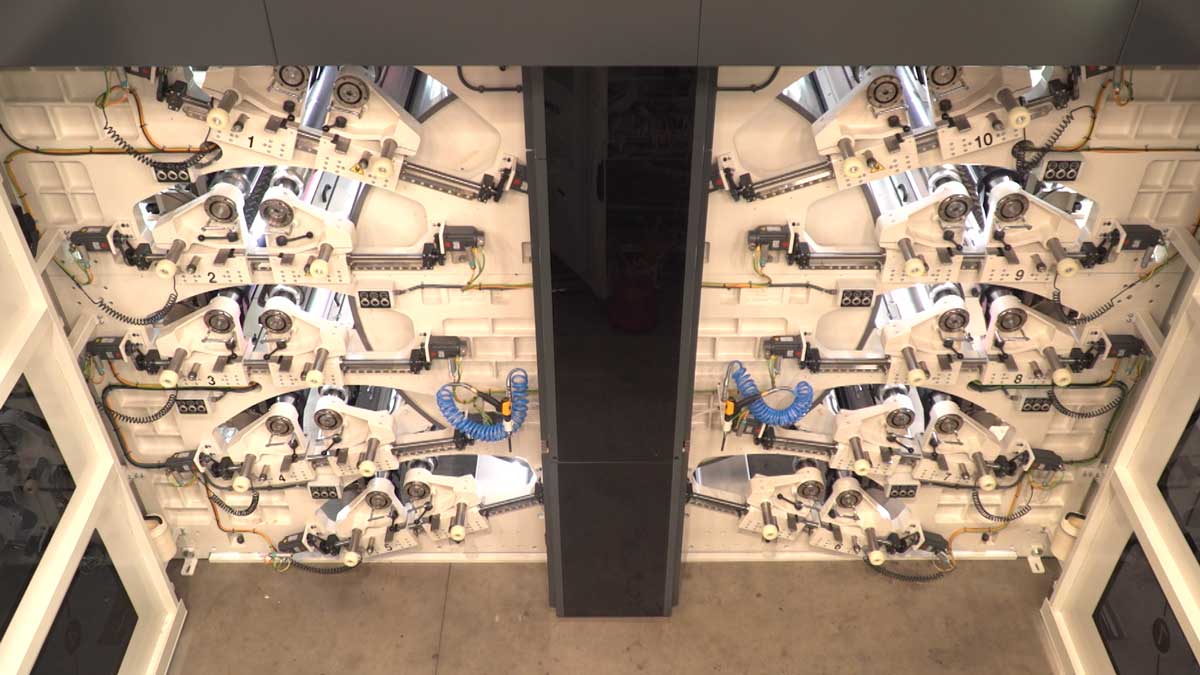
The ink chamber supplies the anilox, the anilox meters ink, and the plate cylinder transfers the design to the substrate.
Dry, cool and rewind
Drying between colours and final drying prepare the printed web for cooling and controlled rewinding.
What we review with you
- Print consistency
- Artwork, plate mounting, anilox selection, ink condition and register work together; the press alone does not determine the result.
- Material behaviour
- Film thickness, stretch and treatment affect web handling and ink adhesion. Review the actual substrate and ink system.
- Next process
- Confirm whether the printed film will be laminated, slit or converted directly, and validate drying and downstream compatibility.
Process education adapted from Comexi training materials, not operating instructions or guaranteed model specifications. Confirm equipment and operating limits in the approved proposal.
From information to a useful proposal
Share substrates, thickness, width, production volume and existing equipment. We coordinate the relevant specification, trial and brochure with Comexi. Options and supply availability are confirmed for each project.
Request specifications and brochure